Boosting our Mental Wellbeing
January is a month when many of us feel stressed, anxious, or low: gloomy weather, a dip in social activity and funds after the festive bustle of late December, and often the added stress of expectations for the New Year, let alone a global pandemic, all add up. Here at Alive and Kicking, however, we’ve just received some good news.
Last year we partnered with the Angus Lawson Memorial Trust to empower sports coaches in Kenya to deliver mental health education through football to young people facing disadvantage under their care: the results coming in from this programme are hopeful, and we thought you might like to hear about them too.
The programme was set up to further understanding of mental health and reduce stigma, to encourage help-seeking behaviour without burdening an already struggling system, and to provide sports coaches with tools to be able to support their communities. 25 coaches at schools across Nairobi were trained and delivered over 1,300 hours of sessions (despite the impact of COVID) over the year, helping almost 3,000 young people to look after their mental health through difficulties including abuse, loneliness, drug use, parental negligence, and relationship problems.
This was done through a two-pronged approach of delivering education through specially designed football drills and equipment (23 of the 25 schools reported that lack of sports equipment would otherwise have been a major barrier to delivery of this programme, and are now also able to use the equipment for other sports sessions for the community) and then empowering young people with the option for access to further support services.

95% of participants said this was the first time that mental health had been addressed in their lives, and rates of improvement in knowledge, attitudes, and behaviour surrounding mental health in themselves and their community were significant. Take-up of support was higher than after previous health programmes, and implementation was easier to incorporate into existing physical education class time and afternoon football sessions, making it a sustainable and organic part of students’ and coaches’ lives.
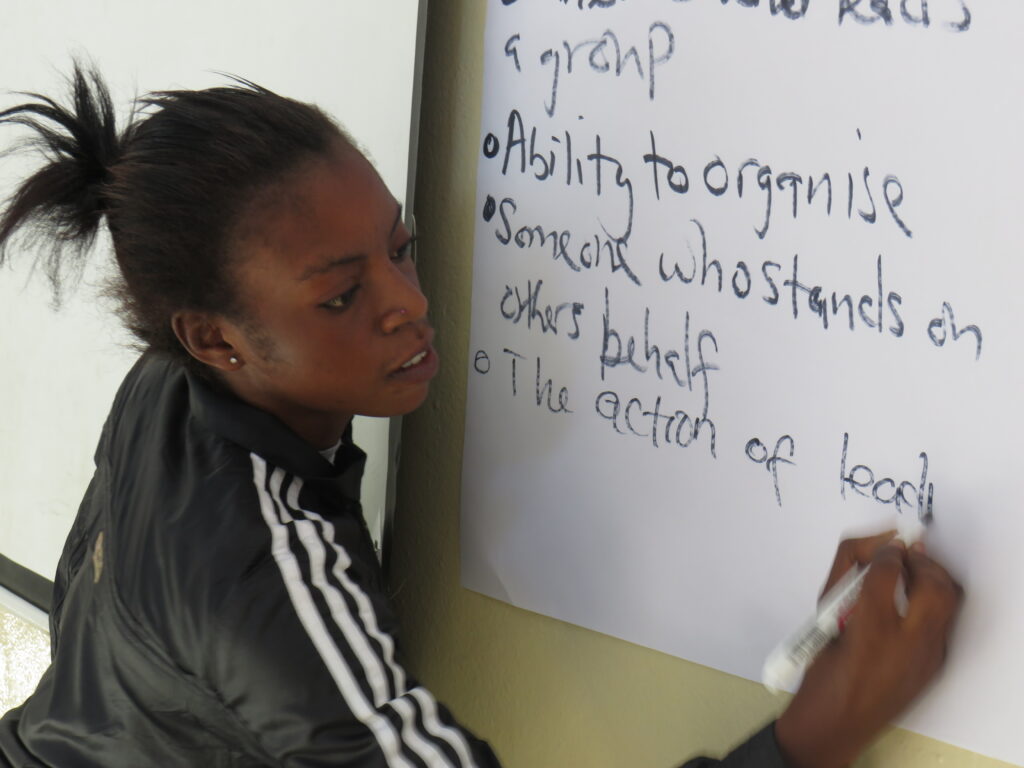
Coaches indicated that they felt many issues couldn’t have been identified without the programme: Irene, a teacher and coach at Langata High School, told us that “students would withdraw, others would get angry, others were not able to speak, others went silent. The programme allows us to identify who needs help and how we help them.” In fact, she felt the programme helped her and the other educators as well as their students, and is planning to study counselling at college to help people further – exactly the kind of long-term impact we hope to make in programmes like this.
It seems appropriate to conclude by talking about how we can look after ourselves, and how football can help us do this even without the benefit of coaches like Irene. You might have heard of ‘Blue Monday’ this month – supposedly pinpointed through an algorithm devised by a university psychologist – but the truth is that mental health is a longer-term, more complicated presence in our lives than any one day. Regularly taking part in a team sport, and/or helping coach an amateur or youth team (like Irene), can be a way to make self-care a habit in your life, just as the incorporation of our mental health programme into existing school timetables in Nairobi enabled regular, effective delivery of mental health support. The physical activity, time outside, sense of achievement, and of course community and social aspects all have a hugely beneficial impact on your mental and physical health, regardless of how ‘serious’ your games are. So get out there, join a grassroots team or ask a few friends to the park, and make sure to check in on each other.